When simple things like walking, sitting, or climbing stairs start to hurt, life can become frustrating. For many people in Jaipur and across Rajasthan, hip pain slowly takes away their comfort and independence. But the good news is that modern Hip Replacement Surgery can help you move freely again without that constant pain or stiffness. Today, Hip Replacement Surgery in Jaipur has become a safe, effective, and reliable procedure. It allows patients to regain mobility, relieve chronic pain, and return to normal routines within a few months. If you or a loved one are considering this surgery, here’s a clear and honest look at what happens before, during, and after the procedure.
What Is Hip Replacement Surgery?
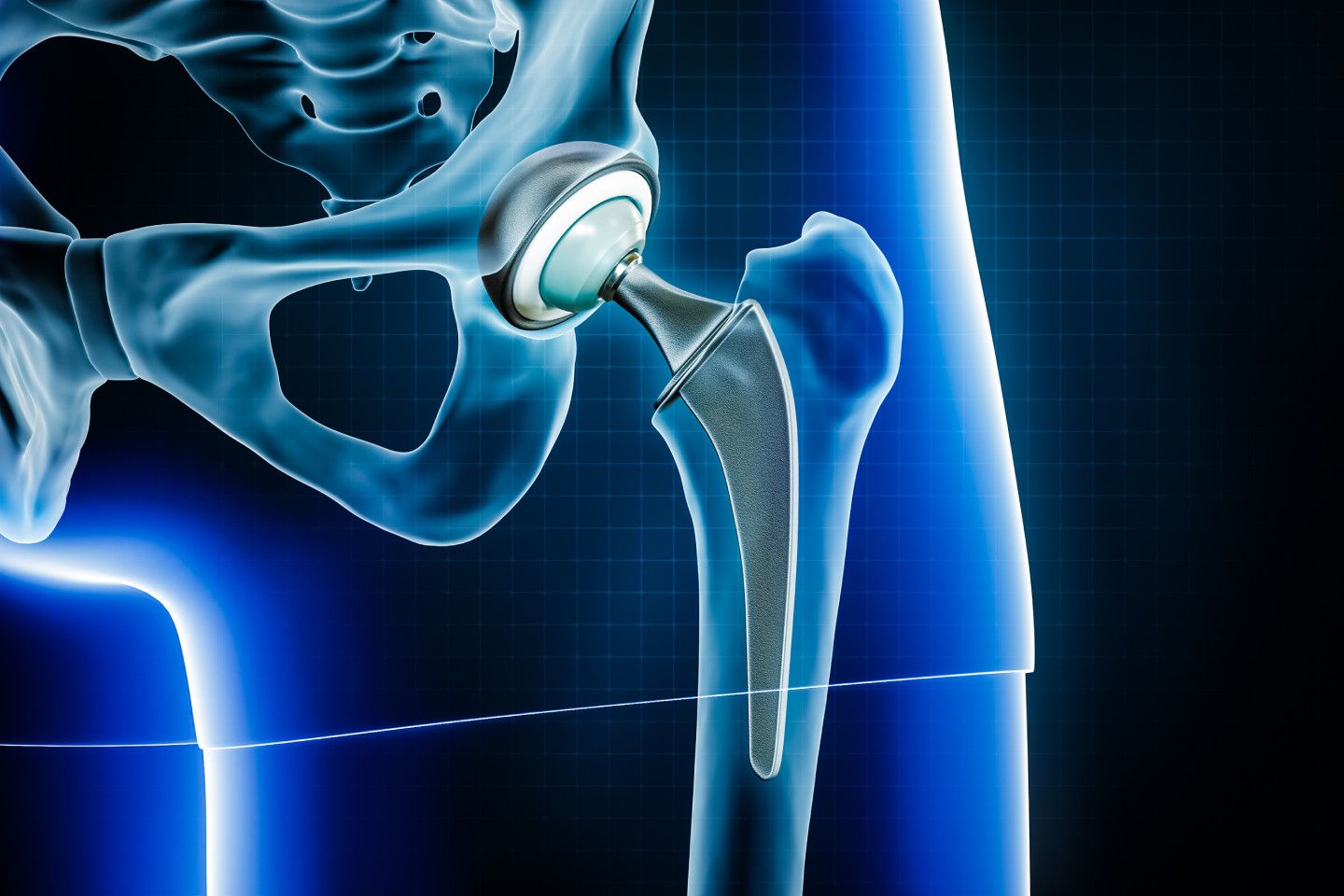
Hip Replacement Surgery (also called Total Hip Arthroplasty) is performed when the hip joint is badly damaged often due to arthritis, an old injury, or natural wear and tear. The damaged parts of the hip are removed and replaced with an artificial joint made from metal, ceramic, or medical-grade plastic. The goal is simple to restore movement and relieve pain that no longer responds to medicine or physiotherapy. Over the years, Total Hip Replacement Surgery in Jaipur has helped thousands of patients walk without pain, climb stairs comfortably, and return to an active lifestyle. It’s now considered one of the most successful orthopedic procedures worldwide.
When Should You Consider Hip Replacement Surgery?
It’s not always easy to decide when to move forward with surgery. You may already be trying medicines, physiotherapy, or exercise. But certain signs can mean your hip needs more help:
- Pain that doesn’t go away even after rest or medication
- Difficulty walking, sitting, or getting into a car
- Hip pain that disturbs your sleep
- Stiffness or limping that limits your day-to-day activities
If these symptoms sound familiar, it’s time to speak to an orthopedic surgeon in Jaipur. A detailed evaluation, including X-rays or scans, can help determine whether surgery is the right step for you.
Getting Ready for the Surgery
Preparation makes recovery easier and safer. Once your surgeon confirms you’re fit for hip replacement, you’ll be advised to undergo a few pre-surgery checks- blood tests, ECG, and X-rays. These help the team understand your health status and plan your surgery precisely. Here’s how you can prepare:
- Stop blood thinners or other specific medications if advised
- Eat a balanced diet and try to stay active before the surgery
- Quit smoking to speed up healing
- Prepare your home for easy movement, install grab bars, keep essentials close, and declutter walkways
- Learn simple physiotherapy exercises that you’ll continue after the surgery
- These small efforts help you recover faster and with fewer complications once the surgery is done.
What Happens During the Surgery
On the day of the procedure, anesthesia is administered to keep you comfortable. The surgeon then removes the damaged portion of the hip joint and replaces it with an artificial implant. In advanced hospitals, Robotic Hip Replacement Surgery in Jaipur is now available. This technology uses 3D imaging to create a digital model of your hip, allowing the surgeon to plan each step precisely. The robotic system helps in achieving perfect implant placement, smaller incisions, and quicker recovery. The entire process usually takes two to three hours. After the surgery, you’ll be monitored closely before being moved to your hospital room.
Making Recovery Easier- Hip Replacement Surgery in Jaipur
The recovery phase requires patience, care, and consistency. Following a few simple tips can make a big difference:
- Stick to your physiotherapy routine
- Avoid bending your hip beyond 90° for the first few weeks
- Use a walker or cane until your balance improves
- Eat calcium- and protein-rich foods to strengthen your bones
- Get enough rest and stay hydrated
Healing takes time, but with steady effort, you’ll get back to a pain-free and active lifestyle sooner than you think.
Living Well After a Hip Replacement
After recovery, you’ll be able to move more freely and enjoy your favorite activities again. However, taking care of your new joint is essential for long-term success.
- Here are a few simple lifestyle habits to protect your new hip:
- Maintain a healthy weight to reduce pressure on the joint
- Prefer low-impact exercises like walking, swimming, or cycling
- Avoid high-impact sports such as running or jumping
- Listen to your body — don’t ignore pain or swelling
- Visit your orthopedic surgeon in Jaipur for regular follow-ups
- With the right care, your new hip can last 15–20 years or even longer.